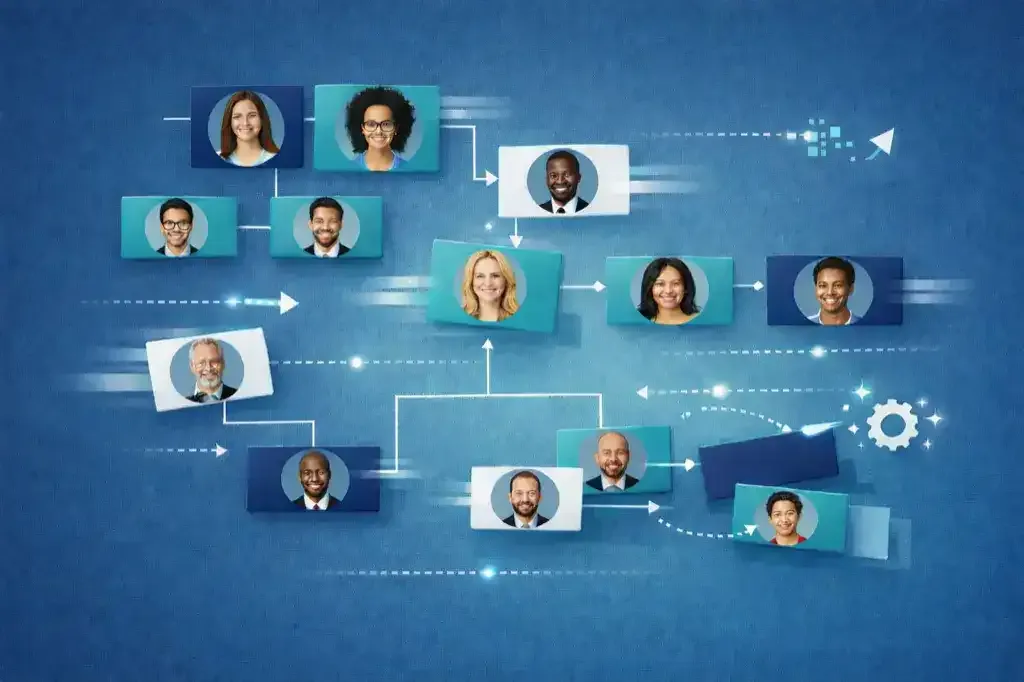
AI Isn't Knocking on HR's Door — It's Already Rearranging the Org Chart
Legacy HR has been disrupted. Learn the 3 capabilities HR needs for 2026 and practical steps to lead AI transformation in your organization.
AI isn't knocking on HR's door — it's already rearranging the org chart.
Late 2025, while helping shape an HR conference in Australasia, it struck me how many organisations are underestimating what's really happening:
Legacy HR has been disrupted & requires a faster shift than the history of the function.
In 2026, AI is moving from experimentation to everyday work and that's reshaping workflows and the roles inside them. That ripple moves quickly into job design, performance, talent development, and the cultural and organisational design choices that hold it all together.
After years building P&C / HR teams, I believe this moment calls for a new capability stack:
HR's 3 Capabilities for 2026
1. Technical Fluency
Enabling HR to evaluate AI capabilities, workforce implications & partner effectively with IT and Engineering teams. This isn't about becoming a developer—it's about understanding enough to make informed decisions, ask the right questions, and bridge the gap between technology and people.
2. People Experience Design
Thoughtful & researched design that creates seamless experiences for employees. As AI changes how work gets done, HR must ensure those changes feel intuitive, supportive, and empowering rather than disruptive or confusing.
3. Strategic Influence
Building credibility in upstream relationships that shape decisions. HR needs a seat at the table when organizational changes are being discussed, not after they're decided. This means developing the influence to shape strategy, not just execute it.
Practical Takeaways for P&C / HR Teams
Start with Workflows, Not Tools
Map where AI is already changing work across roles. Don't start by evaluating software vendors—start by understanding how work is actually being transformed in your organization. Where are employees already using AI? What workflows are changing? What roles are being reshaped?
Pro Tip: Conduct workflow mapping sessions with different teams to understand current AI adoption patterns before making strategic decisions.
Define Governance with IT & Engineering
Then turn it into practical guidance for employees with HR leading workforce readiness and capability uplift. Work with IT and Engineering to establish clear policies, guardrails, and best practices. Then translate those technical guidelines into actionable employee guidance.
Key areas to address:
- Data privacy and security
- Appropriate use cases
- Quality standards and review processes
- Ethical considerations
- Performance expectations
Create an "AI Literacy" Baseline
Role-specific, including accessible enablement for building skills & learning support. Not everyone needs to become an AI expert, but everyone needs baseline literacy appropriate to their role. Design learning paths that are:
- Role-specific
- Accessible and inclusive
- Practical and hands-on
- Supported with ongoing resources
Sharpen and Implement End-to-End Change Management
Thoughtful implementation will be essential for these org shifts & to successfully build AI capability. This isn't just about training—it's about:
- Clear communication of the "why"
- Addressing concerns and resistance
- Providing support throughout the transition
- Measuring and adjusting based on feedback
Pilot Fast, Iterate, Then Scale What Resonates
Proactive consultation, listening & learning will be essential for effective AI transformation. Start small with pilot programs. Gather feedback. Learn what works and what doesn't. Then scale what resonates with your audience.
Pro Tip: Create feedback loops early. Regular check-ins, surveys, and open forums help you understand what's working and what needs adjustment.
Why This Moment Matters
This isn't just another technology trend. The shift happening in 2026 represents a fundamental change in how work gets done, how teams collaborate, and how organizations are structured. HR leaders who lean into this transformation have an unprecedented opportunity to:
- Elevate HR's influence in the organization
- Shape organizational design from the beginning
- Create better employee experiences through thoughtful implementation
- Build strategic capabilities that position HR as a true business partner
The Opportunity Ahead
Consider this a genuine encouragement for 2026: lean into the discomfort, sharpen the craft, and lead from the front — because the very real opportunity to elevate HR's influence in the organisation has never been better. Connecting with your community and owning your talent development will be essential this year.
The organizations that succeed won't be the ones that wait for AI to settle into a predictable pattern. They'll be the ones that experiment, learn, adapt, and lead—with HR playing a central role in that transformation.
FAQ: AI Transformation in HR
How quickly do we need to adapt?
The shift is already happening. Organizations that start now will be better positioned than those that wait. However, this isn't about rushing—it's about being intentional and strategic. Start with pilot programs and build from there.
Do we need technical expertise in HR?
You don't need developers, but you do need technical fluency—enough understanding to evaluate AI capabilities, understand workforce implications, and partner effectively with IT and Engineering teams.
How do we balance innovation with risk management?
This is where governance becomes critical. Work with IT and Engineering to establish clear guardrails, then translate those into practical employee guidance. Regular review and adjustment are essential.
What if employees resist these changes?
This is where change management becomes crucial. Address concerns directly, provide clear communication about the "why," and ensure employees have the support and training they need. Resistance often comes from fear of the unknown—transparency and support can address that.
How do we measure success?
Track both adoption metrics (usage rates, participation in training) and impact metrics (productivity, employee satisfaction, business outcomes). Regular feedback loops help you understand what's working and what needs adjustment.
Ready to Lead Your Organization's AI Transformation?
As AI reshapes how work gets done, HR leaders have an unprecedented opportunity to elevate their influence and create better employee experiences. While governance and policies are essential, the real transformation happens when teams understand how to work effectively with AI tools and when organizational structures adapt to new ways of working.
SquadGame adventures combine structured team experiences with AI-powered insights, helping teams understand their collaboration patterns and adapt to new ways of working together. These experiences can serve as a practical starting point for building AI literacy and understanding how technology can enhance—rather than replace—human collaboration.
Explore SquadGame Adventures →
HR and business leaders: what's your one recommendation for HR to succeed in this shift in 2026? Start the conversation in your organization today, and remember—the organizations that lead this transformation will be the ones that shape it, not the ones that react to it.
When teams need to practice new collaboration patterns in a low-stakes setting, structured virtual team building sessions can complement policy work with shared experiences and actionable feedback. See SquadGame pricing for facilitated adventure options.